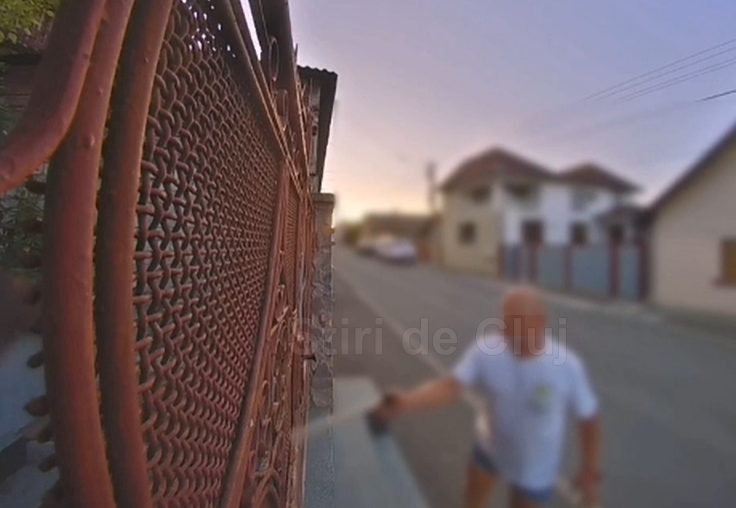
Recent events in Turda, where a local resident was filmed allegedly using a spray on neighborhood dogs, have sparked outrage and concern within the community. The incident raises serious questions about animal welfare, community relations, and the legal ramifications of such actions. This article aims to provide a comprehensive analysis of the situation, exploring the context, implications, and the societal reactions surrounding this troubling occurrence.
Context of the Incident
On a seemingly ordinary day in Turda, a clujean (local resident) identified as S.B. reported witnessing his neighbor engaging in a disturbing act towards dogs from two households. The confrontation was captured on video, showing a man using a spray in the direction of the dogs. This act, perceived as aggressive and unnecessary, prompted S.B. to question the humanity of the individual responsible, stating, “Mă întreb ce fel de om face asta?” (I wonder what kind of person does this?).
The incident unfolded when the neighbor approached the fence of another resident, identified only as F.L., and sprayed the dogs. Following this, the man reportedly moved to S.B.’s property, where he directed the spray towards S.B.’s own dog. This sequence of events not only highlights the direct confrontation but also raises alarm about the potential motives behind such actions.
Possible Motivations Behind the Behavior
The motivations for the neighbor’s actions remain unclear. It is essential to consider psychological and social factors that could contribute to such behavior. One perspective could be rooted in fear or misunderstanding of the dogs’ intentions. Many individuals may perceive barking or aggressive posturing from dogs as threats, leading to irrational responses.
Another potential factor could be neighborhood disputes or personal grievances. If there were prior conflicts between the individuals involved, this incident might represent a culmination of tension. Furthermore, the use of a spray implies a level of premeditation, suggesting that the individual may have felt justified in their actions, regardless of the impact on the animals.
Legal Framework and Animal Protection Laws in Romania
Romania has established laws aimed at protecting animals from cruelty and mistreatment. According to the Romanian Animal Welfare Law (Law No. 205/2004), any act that causes unnecessary suffering to animals is subject to legal repercussions. In this case, the police have initiated an investigation, and the individual responsible has been identified as a 62-year-old man from Turda.
Following the incident, authorities issued a fine of 2,000 lei for causing unjustified physical suffering to the dogs. This response highlights the seriousness with which Romanian law treats animal welfare violations. It is also indicative of a broader societal shift towards recognizing and addressing animal rights, a movement that has gained momentum in recent years.
Impact of the Incident on the Community
The repercussions of this incident extend beyond the immediate act of cruelty. It has generated a significant response from the community, with many residents expressing outrage over the behavior exhibited by the neighbor. This event raises questions about community cohesion and the responsibilities of residents toward one another and their pets.
Furthermore, incidents like this can lead to increased anxiety among pet owners, who may fear for the safety of their animals. The implications are profound, as they can alter the dynamics of neighborhood relationships. Trust can be eroded, leading to a more fractured community where residents feel they must be vigilant against potential threats.
Expert Opinions on Animal Welfare and Community Dynamics
Experts in animal behavior and community psychology provide valuable insights into situations like this. According to Dr. Andreea Popescu, an animal behaviorist, “Acts of aggression towards animals often stem from deeper issues within the community, such as unresolved conflicts or a lack of understanding about animal behavior. Education is crucial in preventing such incidents in the future.”
Community psychologists argue that fostering positive relationships between neighbors can mitigate conflict. Initiatives that promote communication and understanding can help create a more harmonious living environment. Programs that educate residents about responsible pet ownership and the importance of animal welfare can also play a significant role in preventing future incidents of this nature.
Long-term Implications for Animal Welfare Policies
The incident in Turda could serve as a catalyst for discussions about animal welfare policies at a local and national level. As public awareness grows regarding the treatment of animals, there may be increased pressure on lawmakers to strengthen existing regulations. This could include stricter penalties for animal cruelty, more resources for animal control agencies, and enhanced public education campaigns.
Moreover, the visibility of this case through social media and news outlets can lead to greater community engagement. Activists and animal rights organizations may use this incident to rally support for improved animal welfare legislation, thus ensuring that such acts of cruelty are not tolerated.
Moving Forward: Community Responsibility and Education
As this case unfolds, it is imperative for the community to reflect on their collective responsibilities towards animals and each other. Initiatives aimed at fostering a culture of empathy and understanding can significantly reduce the likelihood of similar incidents occurring in the future. Community workshops, educational programs, and open forums discussing animal behavior and owner responsibilities could be beneficial.
Additionally, establishing clear lines of communication between residents can help address grievances before they escalate into acts of aggression. Neighborhood watch programs or pet owner associations could facilitate a more supportive environment for both humans and animals.
Conclusion: A Call for Compassion and Understanding
The incident involving the use of spray on dogs in Turda serves as a poignant reminder of the importance of compassion in our treatment of animals and one another. While the legal ramifications are being addressed, the broader implications for community relations and animal welfare policies cannot be overlooked. It is crucial for residents to engage in meaningful dialogue about their responsibilities as pet owners and neighbors, fostering a community built on understanding, respect, and care for all living beings. Pericolele Pietonale pe Calea Florești: Răzbunare în Aghireșu: O noapte